Religious Education
Diocesan Inspection Report says:
Pupils’ very good behaviour, informed by their desire to act like Jesus taught us, is a strength of the school. Teachers work hard to make Religious Education lessons interesting and enjoyable.
Our Mission
The Catholic Life of the school is given the highest priority where the development of an authentic Catholic ethos is actively sought by all. Children are empowered to have a thorough understanding of the Church’s liturgical year, its seasons, rites and symbols. Within the school community, prayer has a profound and visible effect on the development of all pupils and staff irrespective of ability or faith background. As a school, we promote a love of faith; engaging and inspiring our children to take responsibility for promoting the Catholic ethos of our community whilst seeking to lead and develop this further. Developing a greater understanding of vocation is fundamental in giving our children a meaningful reason to live out their faith. Teachers ensure that children are provided with opportunities to develop their thinking and respond to questions of faith. Our school celebrates, develops and enhances the Catholic Life of our children and ensures our Catholic ethos underpins all that we do and strive to achieve.
RE Curriculum
Discerning Disciples is the religious education (RE) curriculum used in Catholic primary schools across the Archdiocese of Birmingham, fully aligned with the national Religious Education Directory (RED) titled "To Know You More Clearly".
Curriculum Overview
- Mission: Form Christ-centred pilgrims of hope with kind hearts, questioning minds, a thirst for knowledge, and a hunger for justice.
- Time Allocation: Takes up a minimum of 10% of core curriculum teaching time.
- Ways of Knowing: Pupils are taught to understand, discern, and respond rather than just memorise facts.
- Knowledge Lenses: Hear, Believe, Celebrate, and Live
The six branches include Creation & Covenant, Prophecy & Promise, Galilee to Jerusalem, Desert to Garden, To the Ends of the Earth and Dialogue & Encounter.
Lesson Structure
All Religious Education lessons will follow the structure as advised by the Birmingham Diocesan Education Service:
- Dialogue – from the beginning and throughout the lesson. Unlock pupils’ prior knowledge through discussion.
- Introduce recall – I do. Introduce the Direct Knowledge Statements relevant to the lesson.
- Scaffold Support – Teacher to model and design and remove scaffold so all pupils move from secure knowledge to meaningful discernment.
- Collaborative Conversation – We do. Pupils discuss discovery questions with teacher guidance.
- Evaluate understanding – Teachers use hinge questions to assess the understanding of all pupils before moving on.
- Record responses with discernment – You do. Pupils independently record their understanding and response.
- Next steps and notes – Use age-appropriate reflection and feedback to evaluate learning and inform next steps.
Assessment
Assessment takes the form of knowledge and discernment. At the end of each branch, children answer ten multiple-choice quiz questions to assess their knowledge from throughout the branch. Children also complete a discern assessment. This is an opportunity for them to apply knowledge learnt to enable them to discern and demonstrate their ability to make informed choices and decisions. Teachers will record children’s scores for the multiple-choice questions and whether children have ‘met’ or ‘not met’ the discern standard. This information is shared with the Diocese.
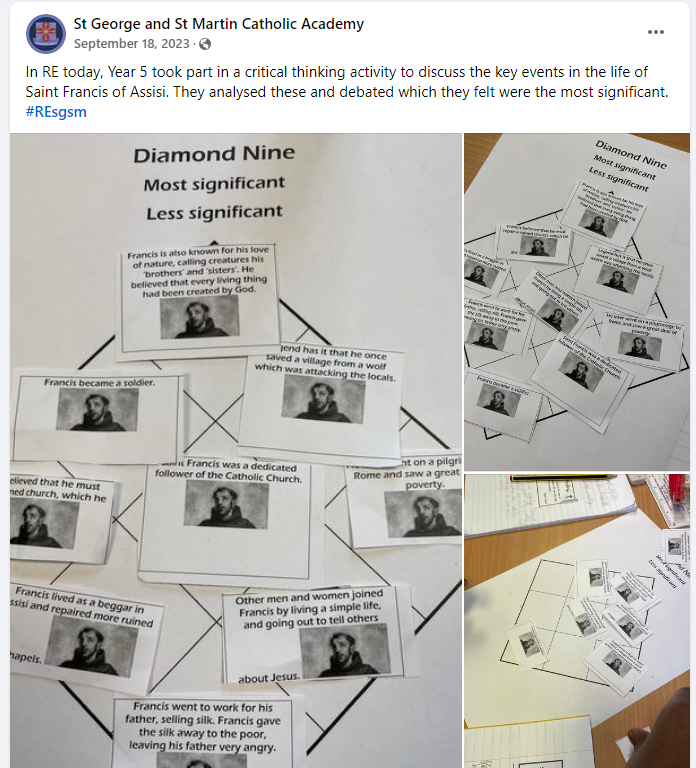
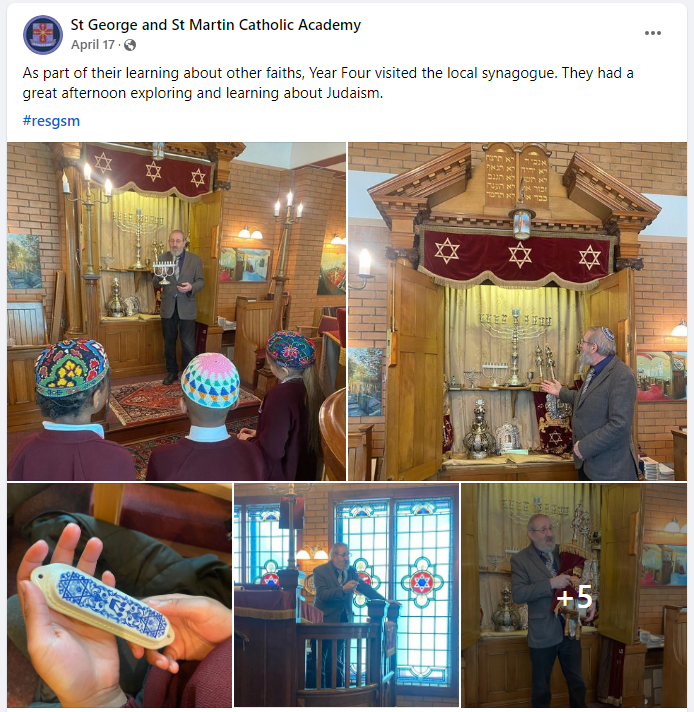
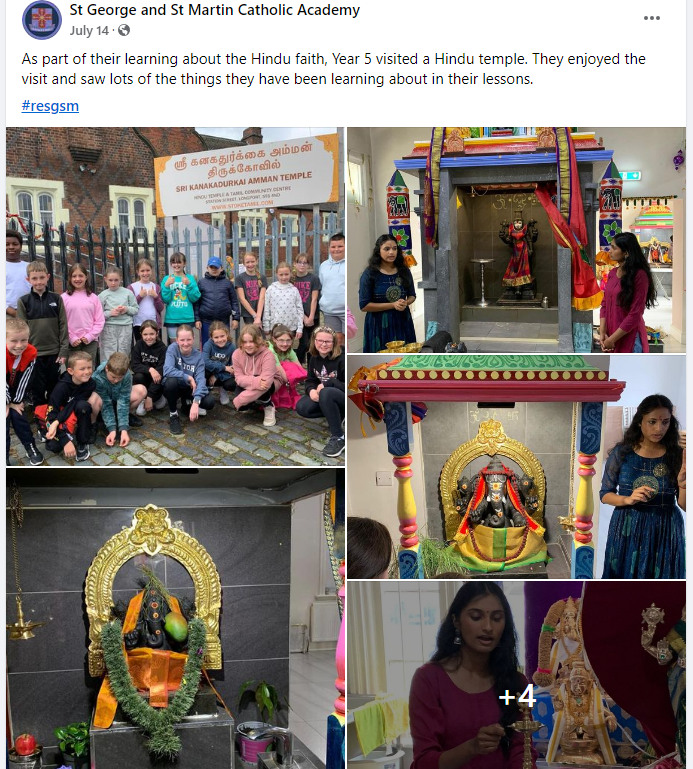
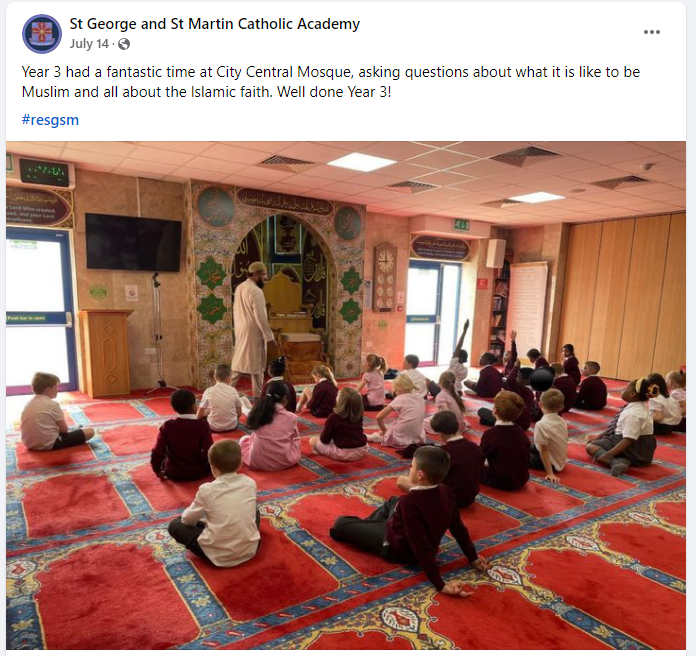
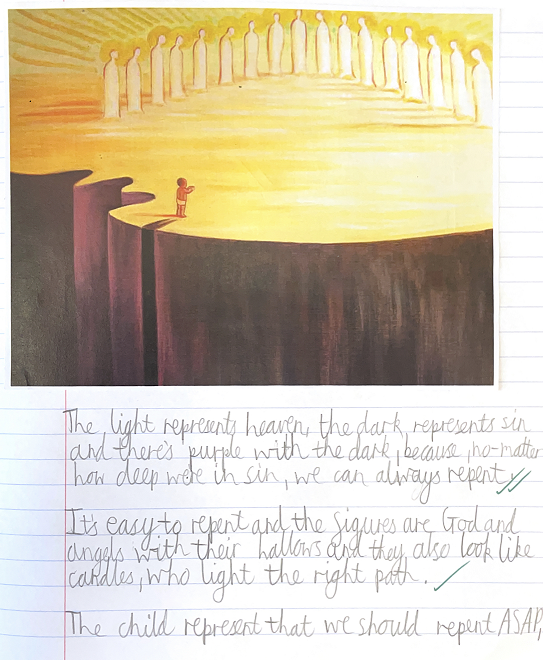
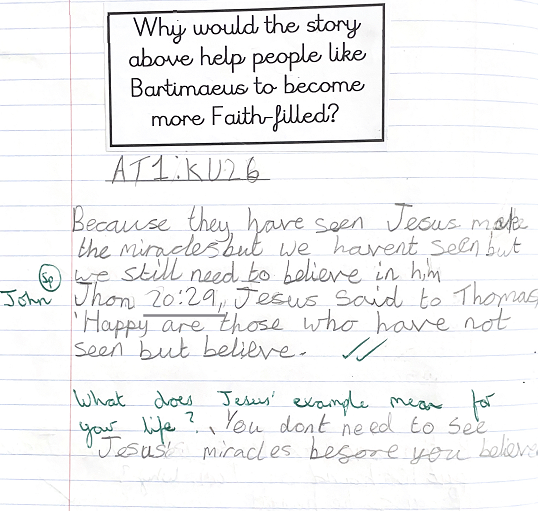
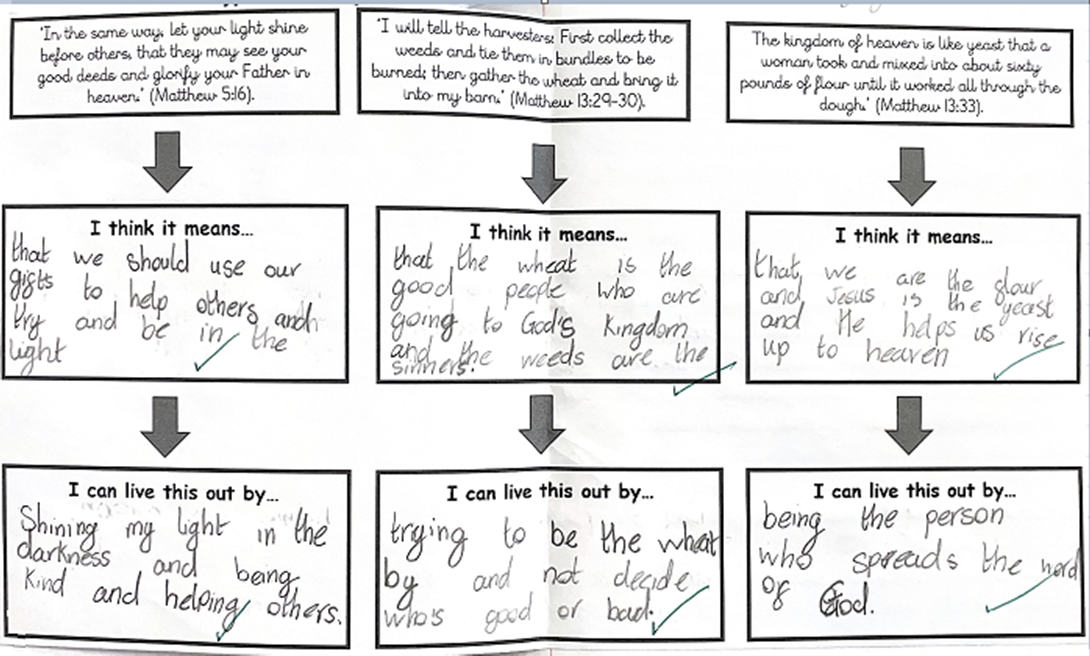
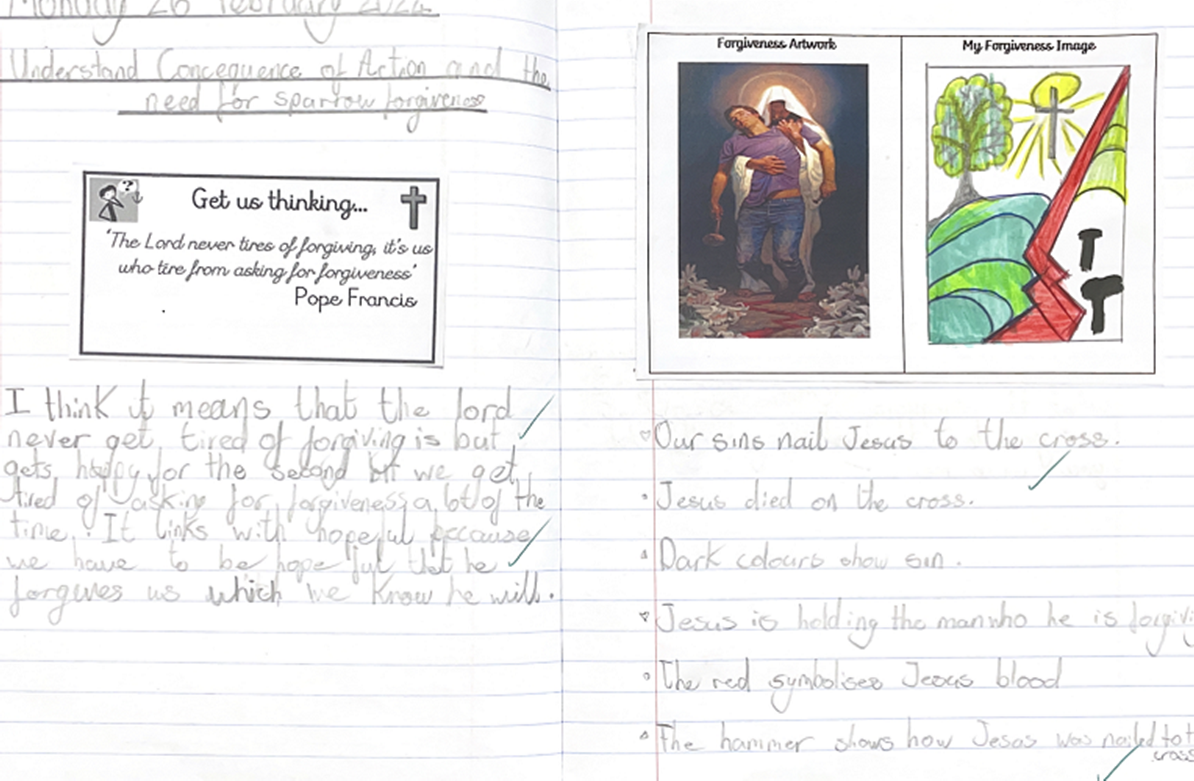
Examples of our RE work
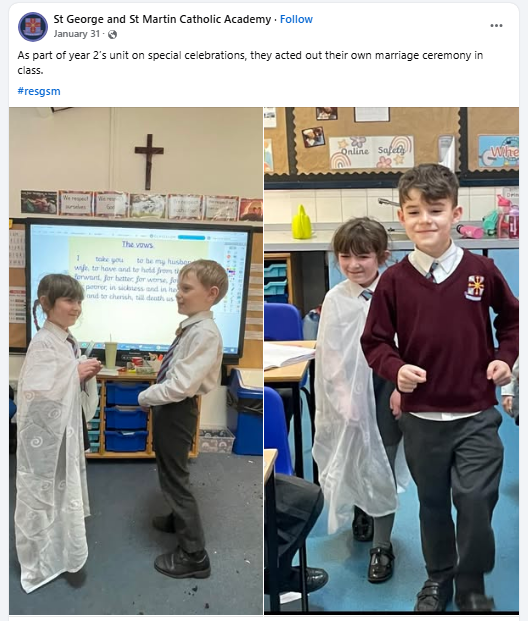
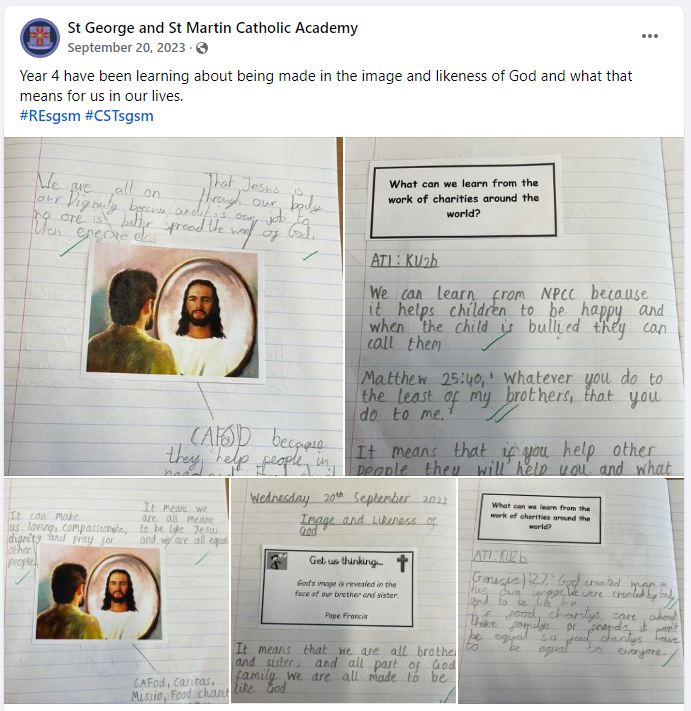
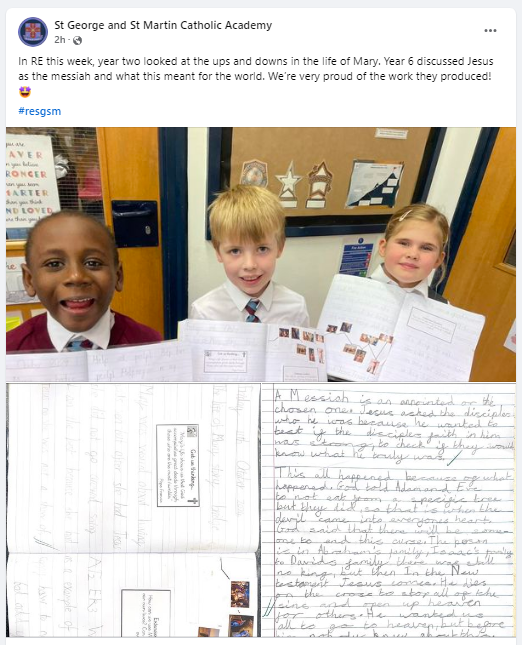
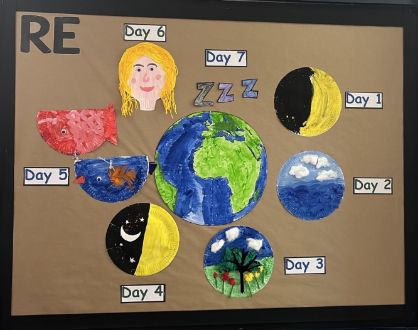
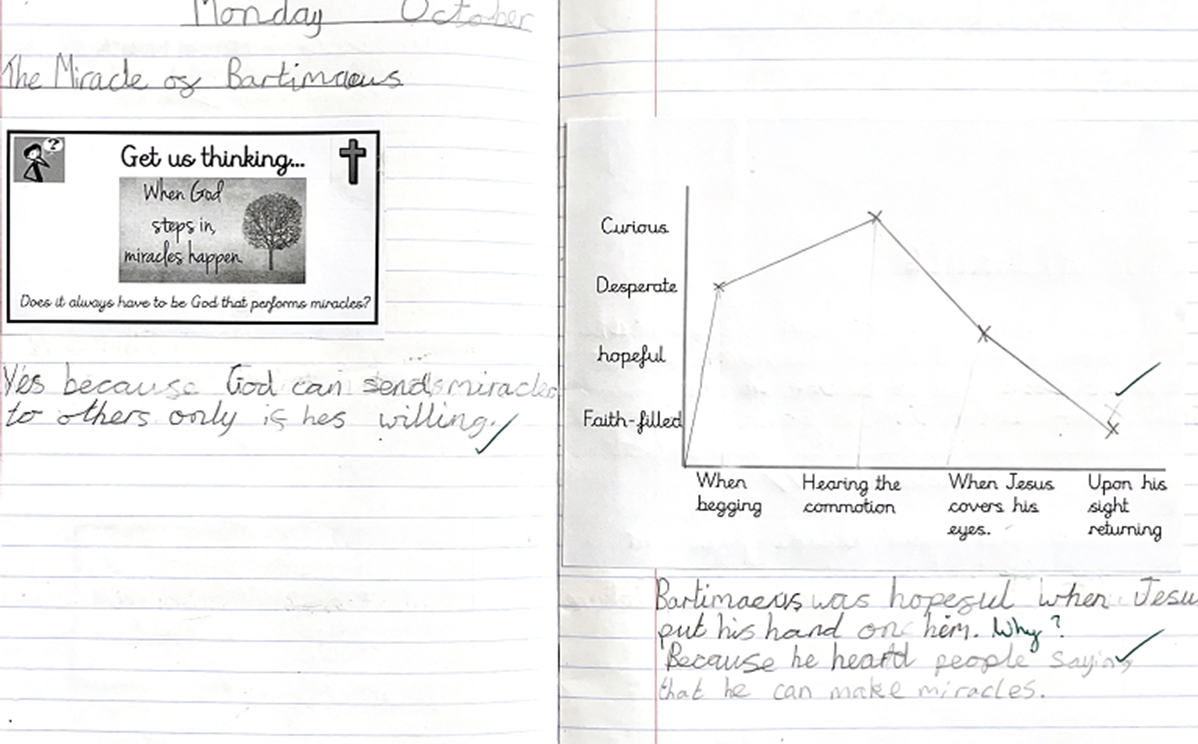
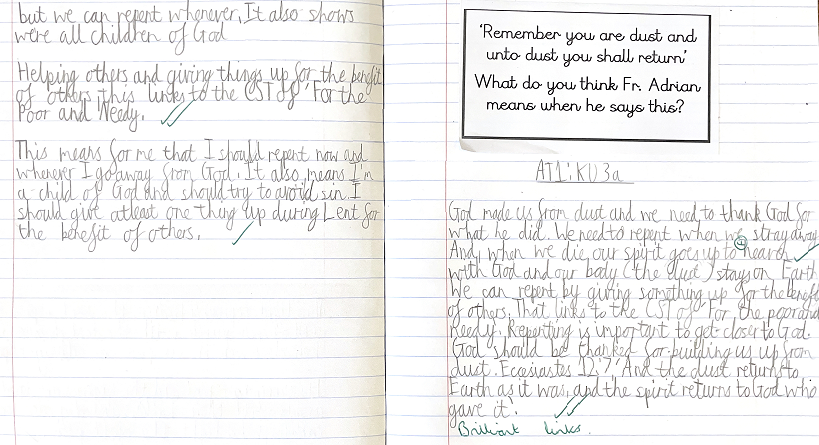
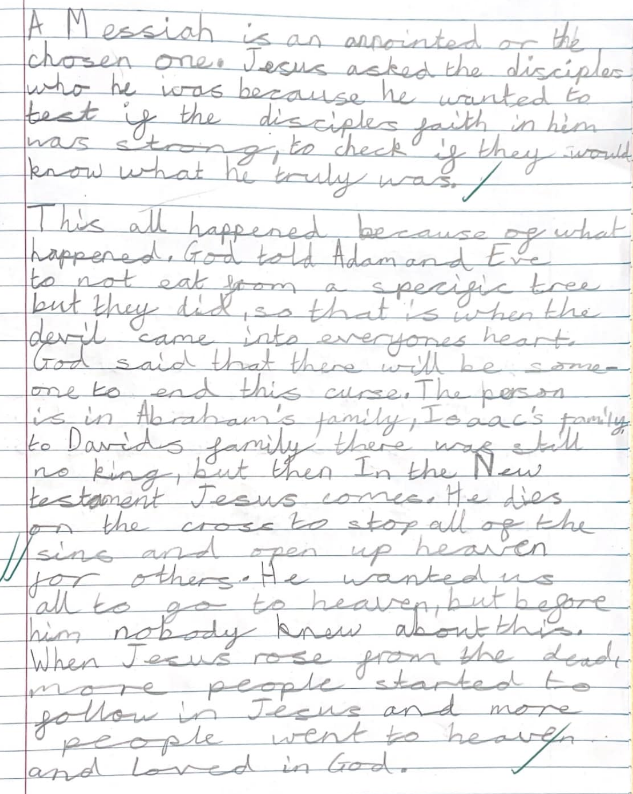
We are extremely proud of the work that our children produce as part of the Learning and Growing as People of God scheme of work. Children are encouraged to make links between Catholic beliefs and teachings, scripture, Catholic Social Teaching and their own lives. A key focus in RE lessons is facilitating children to see that their learning helps them live out the Gospel messages in their lives today.
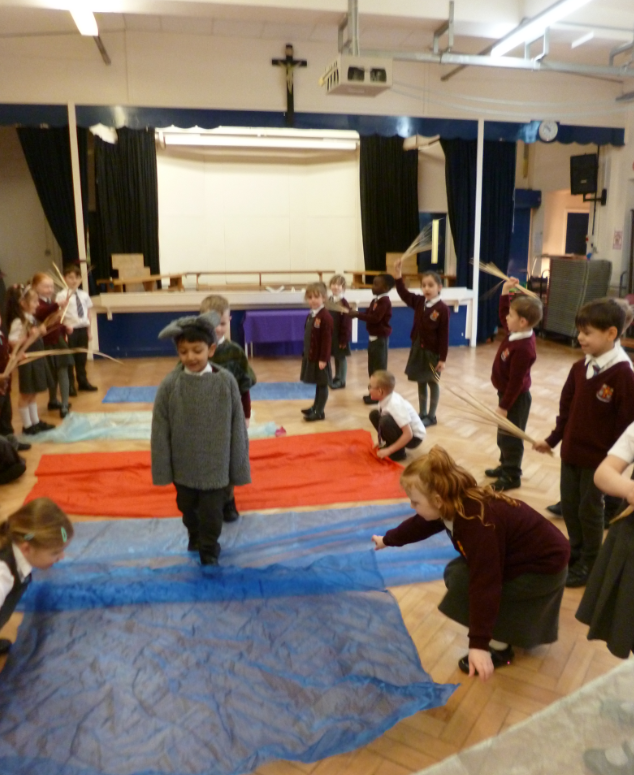
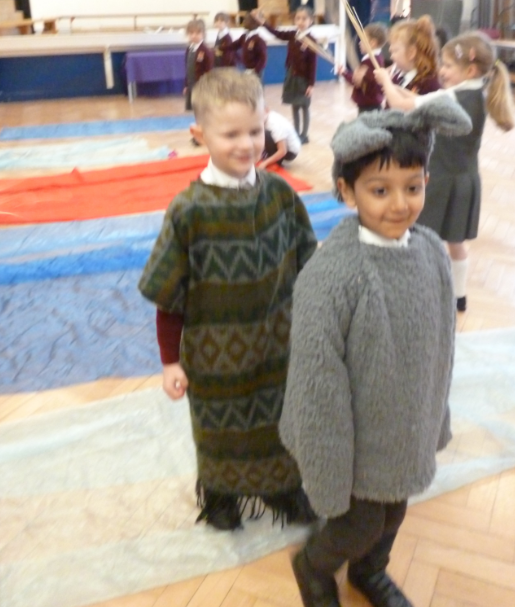
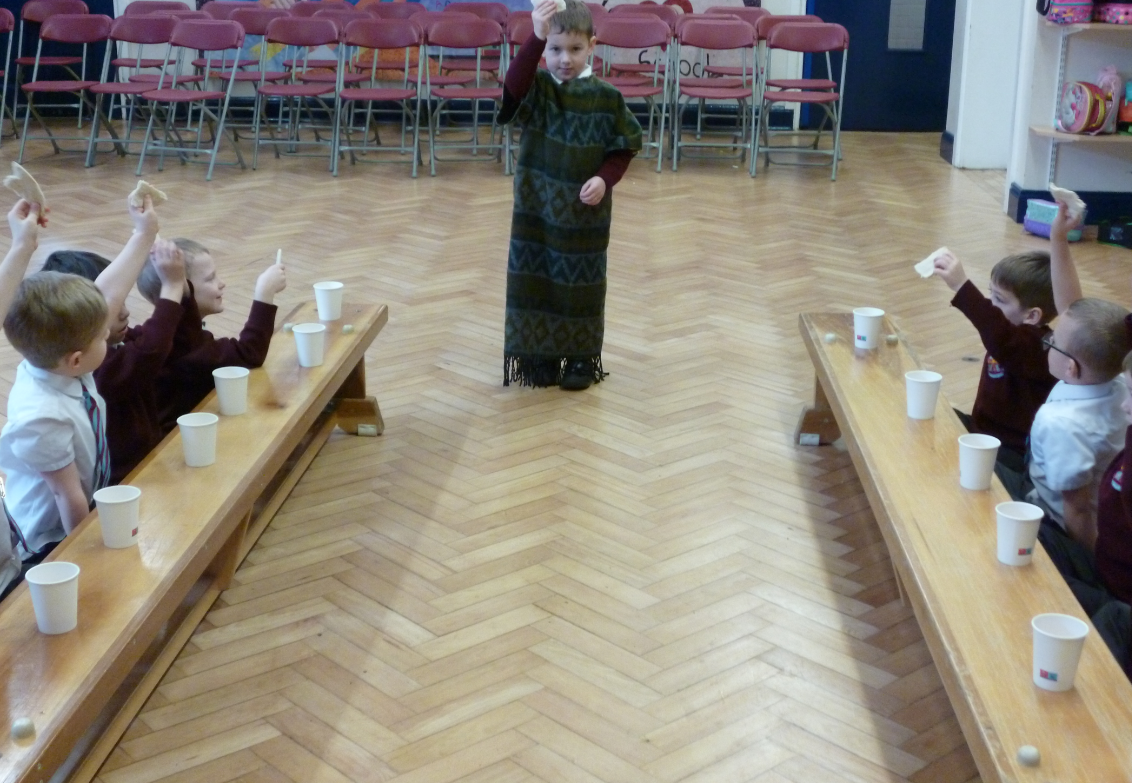
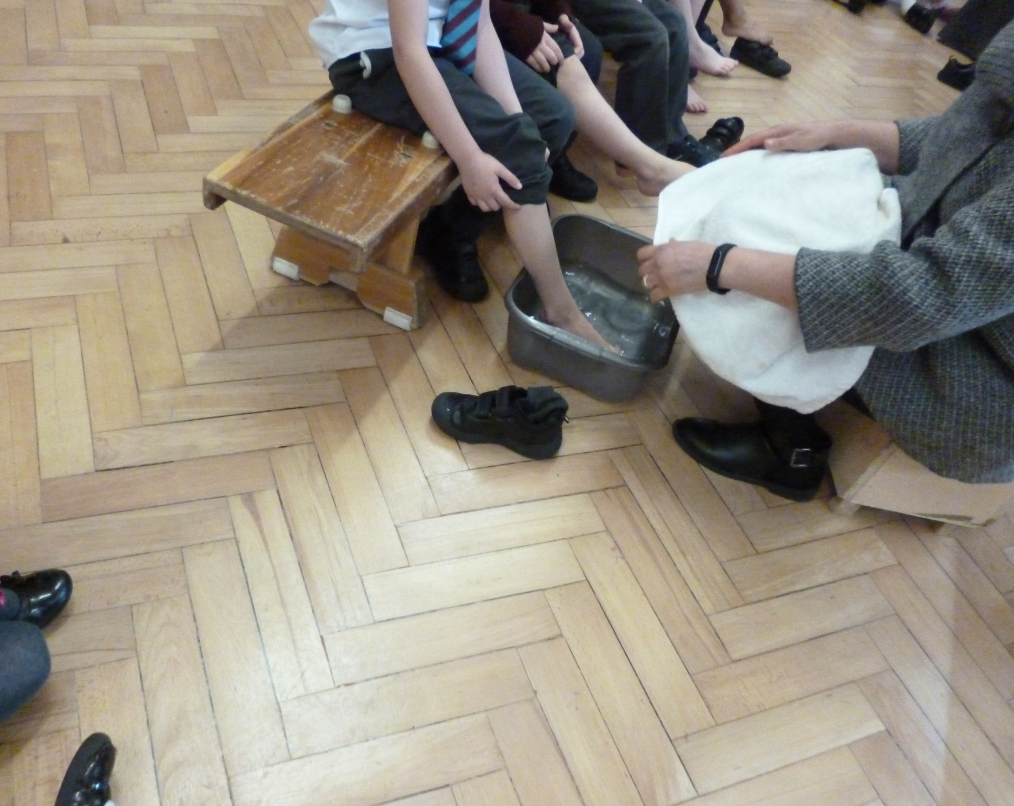
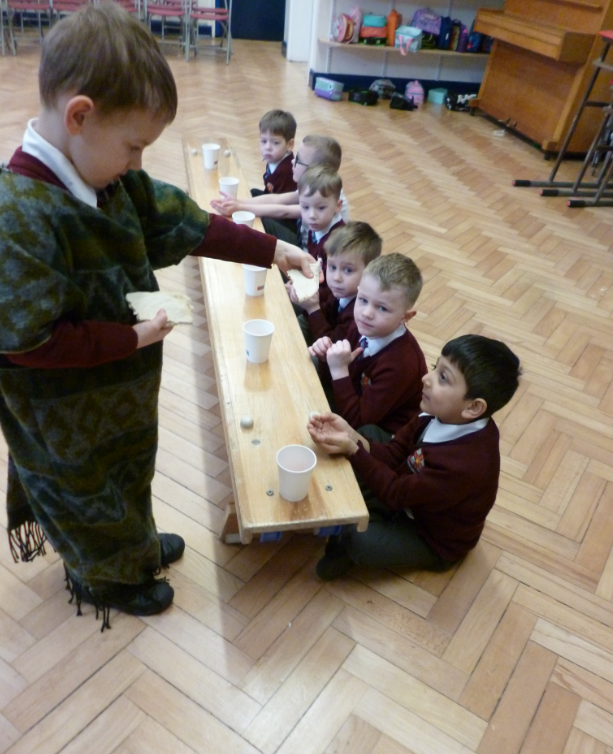
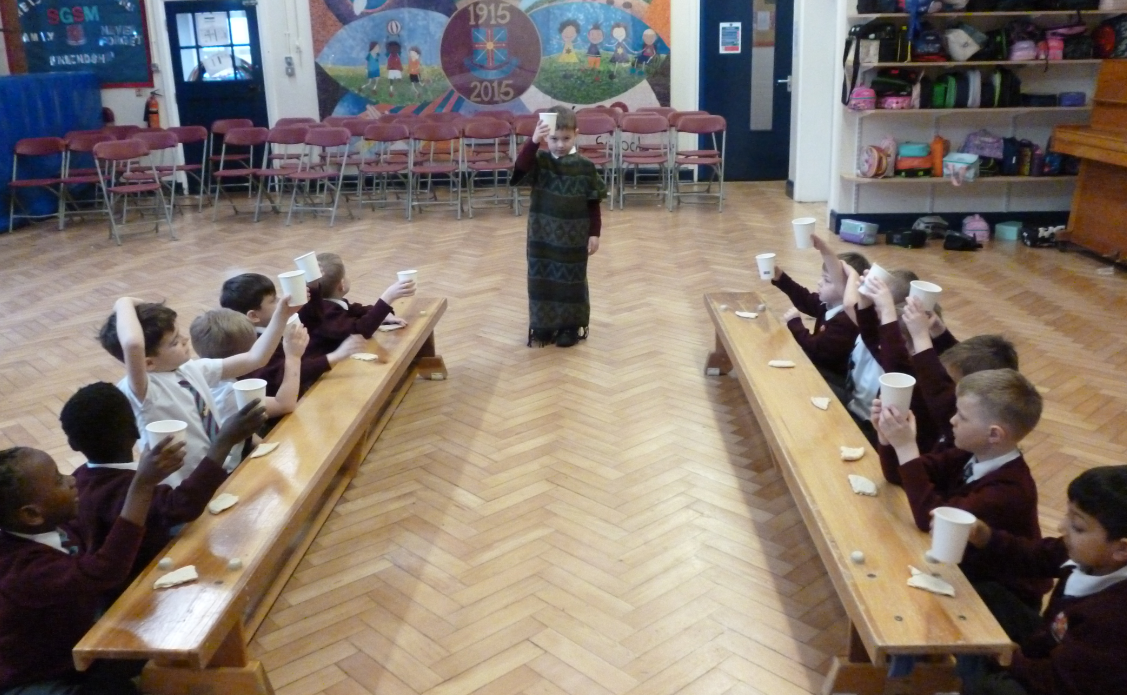
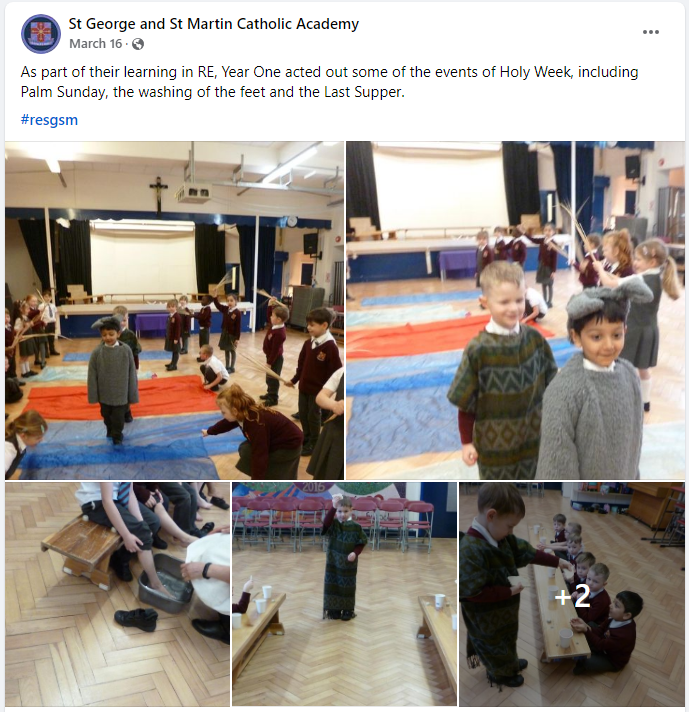
As part of their Holy Week unit, Year One have acted out various elements of the week...